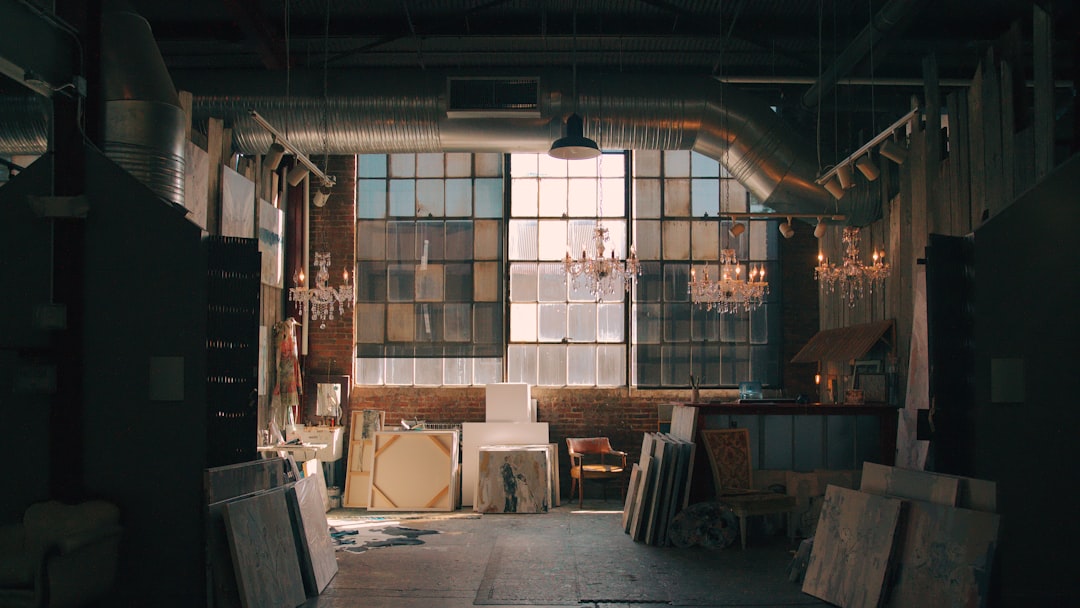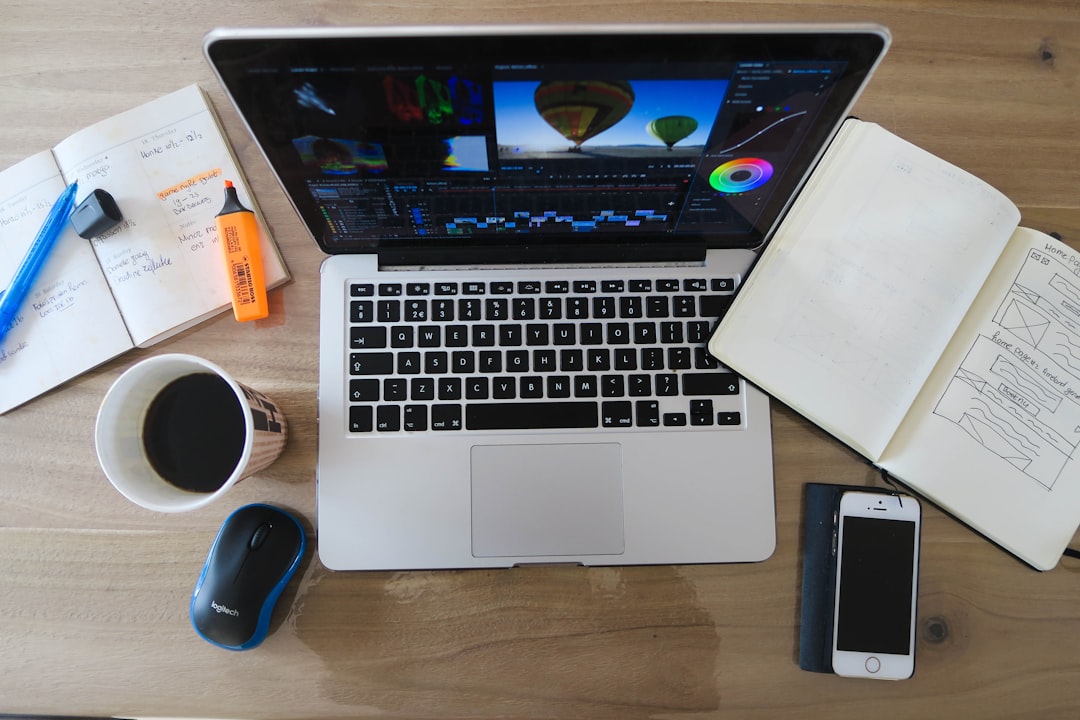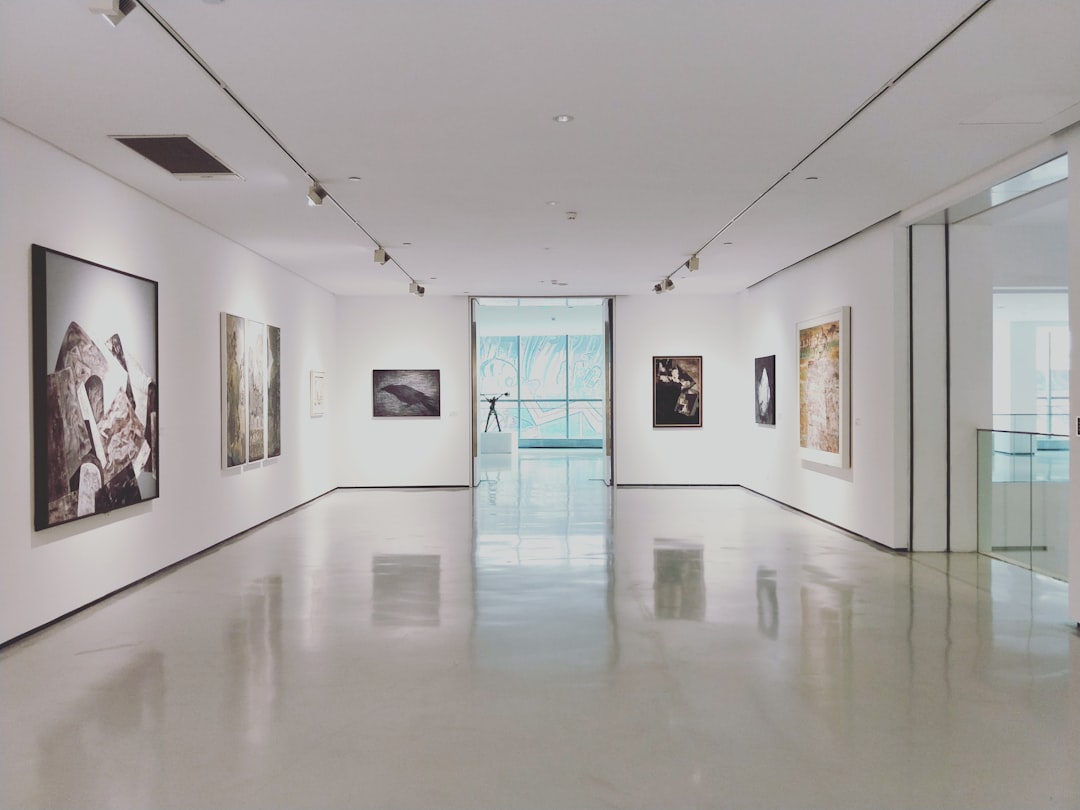
The divide between digital and traditional art continues to blur as more artists discover the benefits of integrating both approaches. For many traditional artists, digital tools initially seem intimidating or perhaps even antithetical to their handcrafted process. Yet when thoughtfully incorporated, digital technologies can enhance traditional practices without compromising their essential qualities.
As someone who works primarily with traditional media but regularly incorporates digital tools into my workflow, I've found that this hybrid approach offers the best of both worlds. This guide explores practical ways that painters, printmakers, sculptors, and other traditional artists can use digital technologies to strengthen their practice while maintaining the authenticity and tactile qualities they value in their work.
Digital Sketching and Composition Planning
Perhaps the most accessible entry point into digital tools for traditional artists is using them for preliminary sketches and composition planning:
- Rapid Iteration - Digital sketching allows you to quickly experiment with multiple compositional variations without wasting physical materials. Apps like Procreate, Adobe Fresco, or even simple drawing applications make it easy to test ideas rapidly.
- Non-destructive Editing - Unlike traditional sketches, digital drawings can be modified indefinitely through layers, scaling, and transformation tools, allowing for refinement without starting over.
- Value Studies - Digital tools excel at creating quick monochromatic studies to establish value patterns before committing to a full-color traditional piece.
- Composition Grids - Digital canvas can be easily overlaid with grids, golden ratio markers, or other compositional guides that help structure your work.
- Perspective Assistance - Many digital drawing applications offer perspective guides that can help solve complex spatial problems before translating to traditional media.
Workflow Integration
Consider creating rough compositional studies digitally, then printing them at a low opacity to use as an underlying guide for your traditional media work. This combines the flexibility of digital planning with the tactile execution of traditional techniques.
Photo Reference Organization and Manipulation
Digital tools excel at managing visual reference materials, a crucial resource for many traditional artists:
- Reference Libraries - Applications like PureRef or Adobe Bridge help organize and display multiple reference images simultaneously, creating custom mood boards or reference sheets specific to each project.
- Custom Reference Creation - When ideal references don't exist, digital manipulation allows you to combine elements from multiple sources or modify existing photos to match your vision.
- Lighting Simulation - Digital tools can adjust lighting in reference photos to explore different atmospheric effects or lighting scenarios before committing to them in traditional media.
- Detail Enhancement - Digital zoom and enhancement features allow you to study fine details in reference materials that might be difficult to see clearly otherwise.
- Ethical Reference Use - Understanding basic digital manipulation helps ensure that reference photos are transformed sufficiently to avoid copyright issues and maintain artistic originality.
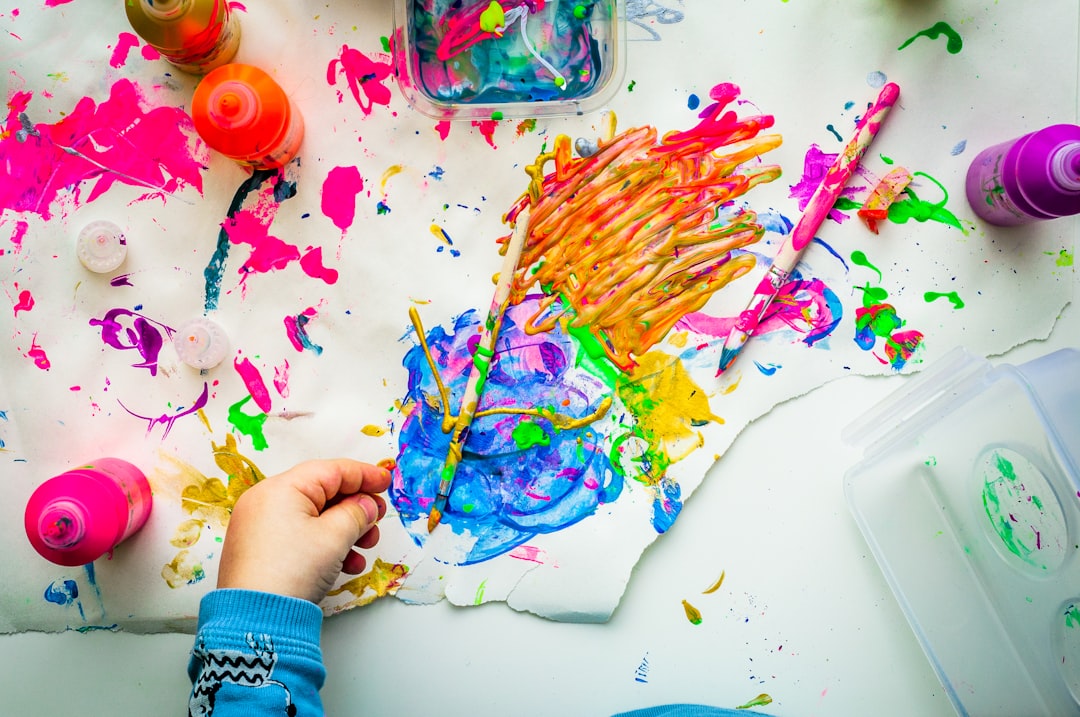
Color Studies and Palette Development
Digital color tools offer powerful ways to explore color relationships before committing to traditional pigments:
- Digital Color Wheels - Interactive color wheels and harmony finders help identify effective color schemes that can be translated to physical pigments.
- Color Extraction - Tools like Adobe Color allow you to extract color palettes from reference images or inspirational photographs to inform your traditional palette choices.
- Gamut Mapping - Digital applications let you visualize and plan limited color palettes, helping create color harmony in your traditional work.
- Value Checking - Converting digital studies to grayscale provides an immediate check on your value structure, which is often crucial for successful traditional paintings.
- Pigment Translation - Applications like Procreate's color palette feature allow you to save swatches that correspond to your actual physical pigments, building a bridge between digital experimentation and traditional execution.
Digital-to-Traditional Color Matching
Create a digital color chart that matches your physical pigments by photographing your actual paint swatches and sampling those colors digitally. This creates a personalized digital palette that accurately represents your available traditional colors, making digital studies more relevant to your physical process.
Documentation and Progress Tracking
Digital tools provide excellent ways to document your process and track the evolution of your traditional artwork:
- Consistent Documentation - Regular photography of works in progress creates valuable records for your archive, teaching materials, or social media content.
- Time-lapse Creation - Apps that compile progress photos into time-lapse videos offer compelling content for promoting your process online.
- Digital Work Journals - Notes on techniques, color mixtures, and problem-solving approaches can be digitally archived alongside images of your work for future reference.
- Before/After Comparisons - Digital tools make it easy to compare different stages of a piece, helping you analyze what changes were most effective.
- Virtual Exhibition Planning - Digital mockups of gallery installations help visualize how traditional pieces will work together in a physical space.
Learning and Skill Development
Digital platforms offer unique advantages for developing traditional art skills:
- Targeted Practice - Digital sketching allows for focused practice on specific skills (like perspective or anatomy) that transfer directly to traditional media.
- Reference Creation - Digital tools can generate reference materials for traditional studies, such as lighting references or custom pose combinations.
- Process Analysis - Recording and reviewing your traditional process digitally helps identify inefficiencies or technical issues to address.
- Online Learning - Digital platforms provide access to workshops, demonstrations, and communities focused on traditional techniques from artists worldwide.
- Feedback Collection - Digital sharing makes it easier to gather critiques and suggestions on traditional works in progress from mentors or peers.
Reproduction and Printing
Digital technologies have revolutionized how traditional art can be reproduced and shared:
- High-quality Scanning - Professional scanning services or high-resolution photography create digital versions of traditional work suitable for reproduction.
- Print Preparation - Digital editing tools help prepare traditional artwork for print reproduction, ensuring color accuracy and appropriate resolution.
- Giclee Printing - Understanding digital print specifications helps artists create high-quality reproductions of their traditional work for broader sales opportunities.
- Print-on-Demand Services - Platforms like Society6 or Redbubble allow traditional artists to offer their work on various products without managing inventory.
- Digital Portfolios - Well-photographed traditional work can be effectively showcased in digital portfolios for galleries, clients, and online audiences.
Marketing and Promotion in a Digital World
Digital platforms have become essential for traditional artists to build an audience and sell their work:
- Social Media Strategy - Platforms like Instagram and TikTok favor process content, giving traditional artists an opportunity to showcase their hands-on techniques to appreciative audiences.
- Website Presentation - Digital portfolios and artist websites help traditional artists reach collectors globally rather than depending solely on local gallery representation.
- Email Marketing - Regular digital newsletters help maintain connections with collectors and fans between exhibitions or studio visits.
- Virtual Exhibitions - Digital platforms allow traditional artists to create virtual exhibitions that complement physical shows or reach audiences who cannot attend in person.
- Content Creation - Recording demonstrations or tutorials of traditional techniques creates valuable content that can build audience and potentially generate additional income streams.
Authenticity in Digital Marketing
Traditional artists often have an advantage in digital marketing because audiences are drawn to seeing real, physical processes in a screen-dominated world. Emphasize the tactile, handmade nature of your work in your digital presentation rather than trying to make it look more "digital" or polished.
Hybrid Techniques and Digital Integration
For artists ready to experiment further, there are numerous ways to directly integrate digital elements into traditional workflows:
- Digital Transfers - Techniques like image transfers allow digital elements to be incorporated into traditional paintings, mixed media work, or printmaking.
- Projection Methods - Digital projectors can help transfer complex compositions to traditional surfaces while maintaining proportional accuracy.
- Laser Cutting - Digital designs can guide laser cutting for creating stencils, templates, or components for traditional art processes.
- 3D Printing - Digital modeling combined with 3D printing creates components that can be incorporated into traditional sculptures or installations.
- Digital Textures in Traditional Work - Digitally designed patterns or textures can be transferred to traditional media through various printing techniques.
Digital Asset Management for Traditional Artists
Organizing and protecting your digital assets becomes increasingly important as they accumulate:
- Archival Systems - Establish a consistent file naming and organization system for your digital sketches, reference materials, and documentation.
- Backup Protocols - Regular backups of digital materials protect against hardware failure or loss.
- Metadata and Tagging - Adding descriptive information to digital files makes them searchable and more useful as your archive grows.
- Copyright Protection - Understanding digital watermarking and other protective measures helps safeguard images of your traditional work online.
- Cloud Storage Solutions - Services like Dropbox or Google Drive provide accessible storage for your digital assets across multiple devices.
Selecting the Right Digital Tools
The range of digital options can be overwhelming. Here are guidelines for choosing tools that complement traditional practices:
- Hardware Considerations - Tablets with pressure-sensitive styluses (like iPad with Apple Pencil or Wacom tablets) provide the most natural drawing experience for traditional artists.
- Software Simplicity - Start with intuitive applications designed for artists (like Procreate) rather than complex professional software unless your specific needs require it.
- Learning Investment - Balance the time invested in learning digital tools against the benefits they bring to your traditional practice.
- Workflow Integration - Choose tools that fit naturally into your existing creative process rather than forcing significant workflow changes.
- Budget Awareness - Many powerful digital tools for traditional artists are surprisingly affordable or even free; expensive software is often unnecessary for supporting traditional work.
Recommended Starter Setup
For traditional artists new to digital tools, an iPad with Apple Pencil and Procreate offers an intuitive, portable starting point with a natural drawing feel and minimal technical complexity. This combination provides powerful compositional planning, color studies, and reference management without a steep learning curve.
Balancing Digital and Traditional Approaches
The most successful integration maintains the strengths of both approaches:
- Intentional Boundaries - Be clear about which aspects of your process benefit from digital tools and which should remain fully traditional.
- Authenticity Preservation - Use digital tools to enhance rather than replace the handmade qualities that make traditional art valuable.
- Efficiency vs. Process - Consider which parts of your process benefit from digital efficiency and which slow, traditional methods are essential to your artistic expression.
- Technical Transparency - Be open with audiences about your process, including how digital tools support your traditional work.
- Continuous Evaluation - Regularly assess whether digital integrations are genuinely enhancing your traditional practice or potentially distracting from it.
Conclusion: The Complementary Relationship
The relationship between digital and traditional art need not be adversarial. When thoughtfully integrated, digital tools can enhance traditional practices by streamlining preparatory work, providing valuable reference and learning resources, and expanding the reach of handmade art in a digital world.
Perhaps the greatest advantage of this hybrid approach is that it allows traditional artists to maintain the irreplaceable tactile qualities and direct material engagement of their practice while benefiting from the flexibility, efficiency, and reach of digital technologies.
The key is approaching digital tools as supplements rather than replacements—using them to handle aspects of the creative process where they truly add value, while preserving the hands-on engagement with materials that draws many of us to traditional art in the first place.
By selectively incorporating digital tools into traditional practice, artists can create a personalized workflow that honors traditional craftsmanship while embracing the unique advantages of contemporary technology—truly offering the best of both worlds.
Share Your Experience
How have you integrated digital tools into your traditional art practice? Share your experiences or questions in the comments, or reach out through the contact page.