Exhibiting your artwork for the first time is a pivotal moment in any artist's career. It marks the transition from creating primarily for yourself to sharing your vision with a wider audience. Whether you're showing in a prestigious gallery, a local art space, a pop-up venue, or even a virtual exhibition, thorough preparation is key to making the experience successful and rewarding.
Having organized numerous exhibitions throughout my career, I've learned that careful planning makes all the difference. This comprehensive guide will walk you through the essential steps of preparing for your first exhibition, from conceptualizing your show to the final installation and opening night.
Creating a Cohesive Body of Work
Before you even approach a gallery or exhibition space, you need a strong, unified collection of work. Here's how to develop and refine your exhibition content:
- Thematic Consistency - Your exhibition should tell a coherent story or explore a unified concept. While individual pieces can vary, they should connect through theme, style, medium, or subject matter.
- Quality over Quantity - It's better to show fewer excellent pieces than many mediocre ones. Be ruthlessly selective about what you include.
- Timeline Planning - Working toward an exhibition typically requires 6-18 months of focused creation. Set realistic production deadlines that allow for experimentation and refinement.
- Evolution and Sequence - Consider how pieces relate to each other and the narrative created by their sequence in the exhibition space.
- Fresh Work - Galleries typically prefer recent work (created within the last 1-2 years) that hasn't been widely exhibited elsewhere.
Curation Exercise
Photograph all potential exhibition pieces and create small prints. Arrange these on a large table or pin them to a wall, experimenting with different groupings and sequences. This physical visualization will help you identify strengths, weaknesses, and gaps in your collection.
Professional Presentation
How your work is presented significantly impacts how it's received. Here are essential considerations:
- Framing and Mounting - Choose framing that complements rather than competes with your work. For contemporary art, simple, clean frames often work best. Ensure consistent framing throughout your exhibition for a professional look.
- Conservation Standards - Use acid-free mats and UV-protective glass for works on paper to ensure longevity.
- Sizing Considerations - If creating new work for the exhibition, consider the dimensions of the gallery space and how your pieces will fit within it.
- Alternative Presentation - For three-dimensional work, sculptures, or installations, think about bases, pedestals, or hanging systems well in advance.
- Finishing Details - Ensure edges of canvases are clean, hardware is secure and uniform, and all presentation elements are consistent with your artistic vision.

Finding and Securing a Venue
The right exhibition space can dramatically affect how your work is perceived. Here's how to find and secure an appropriate venue:
- Research Appropriate Spaces - Look for venues that regularly show work similar to yours in style or medium. Visit exhibitions to get a feel for different spaces.
- Alternative Venues - Consider non-traditional spaces like cafés, community centers, pop-up locations, or artist-run initiatives if commercial galleries seem inaccessible for your first show.
- Submission Requirements - Most galleries have specific submission guidelines. Prepare a professional portfolio including an artist statement, CV, high-quality images, and exhibition proposal.
- Networking - Attend gallery openings, artist talks, and art events to build relationships within your local art community.
- Contractual Agreements - Once a venue is secured, get all arrangements in writing, including exhibition dates, commission percentages, installation responsibilities, and insurance coverage.
Virtual Alternative
Consider complementing your physical exhibition with a virtual component. Online exhibitions can extend your reach globally and provide an accessible archive of your show after it closes. Platforms like Artsy, Kunstmatrix, or even a well-designed page on your website can serve this purpose.
Marketing Your Exhibition
Even the most compelling exhibition needs effective promotion to attract visitors. Here's how to market your show strategically:
- Exhibition Title and Statement - Craft a compelling, memorable title and a clear, concise exhibition statement that communicates your concept without art jargon.
- Professional Photography - Invest in high-quality images of your work for promotional materials. These will serve you long after the exhibition closes.
- Print Materials - Design professional invitations, postcards, and exhibition catalogs if your budget allows. Even a simple, well-designed exhibition sheet adds professionalism.
- Digital Promotion - Leverage social media, email newsletters, and your website to promote your exhibition. Create an event page and share behind-the-scenes content leading up to the opening.
- Press Outreach - Develop a press release and send it to relevant local publications, art blogs, and culture listings at least 3-4 weeks before your opening.
Installation Planning
Thoughtful installation transforms individual artworks into a cohesive exhibition experience:
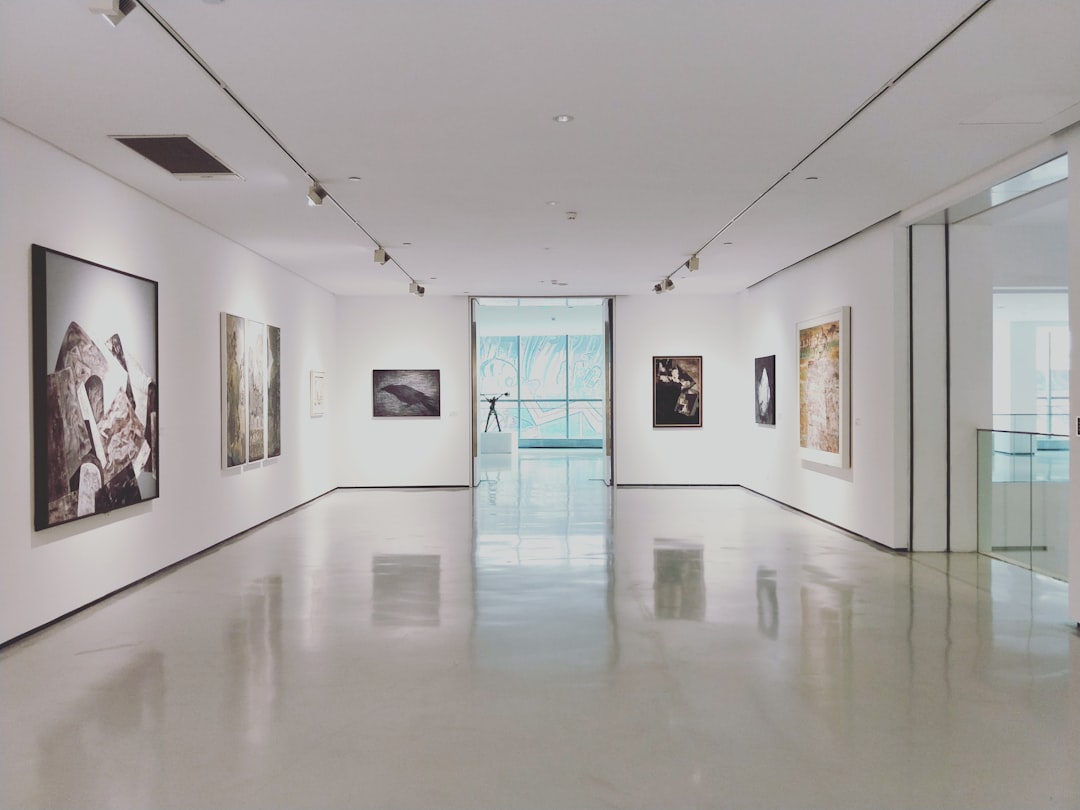
- Space Measurement - Visit the venue in advance to take precise measurements and note lighting conditions, wall colors, and architectural features.
- Layout Planning - Create a scale drawing of the space and plan where each piece will hang. Consider sightlines, natural flow of movement, and ideal viewing distances.
- Hanging Systems - Understand the venue's wall construction and hanging restrictions. Bring appropriate hardware and tools for your specific needs.
- Lighting Considerations - Work with available lighting to minimize glare and shadows while highlighting important details in your work.
- Installation Timeline - Allow more time than you think you'll need for installation. Unexpected challenges always arise.
Pricing Your Artwork
Determining appropriate pricing can be one of the most challenging aspects of preparing for an exhibition:
- Market Research - Study what artists with similar experience and working in comparable styles and mediums are charging in your area.
- Consistent Formula - Develop a pricing formula based on size, medium, complexity, and time invested that you can apply consistently across your work.
- Career Stage Consideration - Be realistic about your career stage and exhibition history when setting prices.
- Gallery Commission - Remember to factor in the gallery's commission (typically 40-50%) when setting prices.
- Price List Preparation - Create a professional price list including titles, mediums, dimensions, years, and prices for all exhibited works.
Pricing Strategy
It's generally better to start with modest pricing that leads to sales rather than overpricing work that doesn't sell. Successful sales will help build your market and justify price increases for future exhibitions.
Opening Night Preparation
The exhibition opening is your opportunity to make a strong first impression and engage directly with your audience:
- Guest List - Invite personal contacts, art professionals, collectors, and press. Send invitations 3-4 weeks in advance with reminders closer to the date.
- Talking Points - Prepare concise, accessible ways to discuss your work with different audiences, from casual visitors to serious collectors.
- Documentation - Arrange for photography of both your installed exhibition and the opening event. These images are valuable for your portfolio and future promotion.
- Sales Preparation - Understand the gallery's sales process and be prepared to answer questions about your work, technique, and inspiration.
- Self-Care - Plan to get enough rest before the opening. The event can be physically and emotionally demanding.
After the Opening
Your responsibilities continue throughout the exhibition run:
- Gallery Sitting - If required by your venue, schedule times to be present in the gallery to engage with visitors.
- Additional Programming - Consider offering an artist talk or workshop to create additional engagement opportunities.
- Sales Follow-Up - Send personal thank-you notes to purchasers, possibly including information about the work or your artistic process.
- Documentation Compilation - Gather all reviews, visitor comments, sales information, and professional photographs for your records.
- Deinstallation Planning - Schedule and prepare for the careful removal of your work when the exhibition closes.
Learning from the Experience
After your exhibition concludes, take time to reflect:
- Self-Assessment - Evaluate what worked well and what you'd do differently next time.
- Feedback Integration - Consider thoughtful feedback received during the exhibition while maintaining your artistic integrity.
- Relationship Maintenance - Nurture connections made during your exhibition with curators, collectors, and fellow artists.
- Next Steps Planning - Use momentum from this exhibition to plan your next creative and career developments.
Conclusion: Embracing the Exhibition Journey
Your first exhibition is not just about displaying artwork—it's a significant professional milestone that can shape your artistic path moving forward. While the process involves considerable work beyond creating the art itself, this comprehensive preparation allows your creative vision to be experienced as you intended.
Remember that even experienced artists feel vulnerable when exhibiting. Approach the process with professionalism but also allow yourself to enjoy the achievement and learn from every aspect of the experience.
With thoughtful preparation across all these areas, you'll create not just an exhibition but a meaningful artistic event that resonates with viewers and advances your professional development as an artist.
Need Exhibition Guidance?
I offer one-on-one consultation for artists preparing for exhibitions. Visit my contact page to inquire about mentoring sessions.