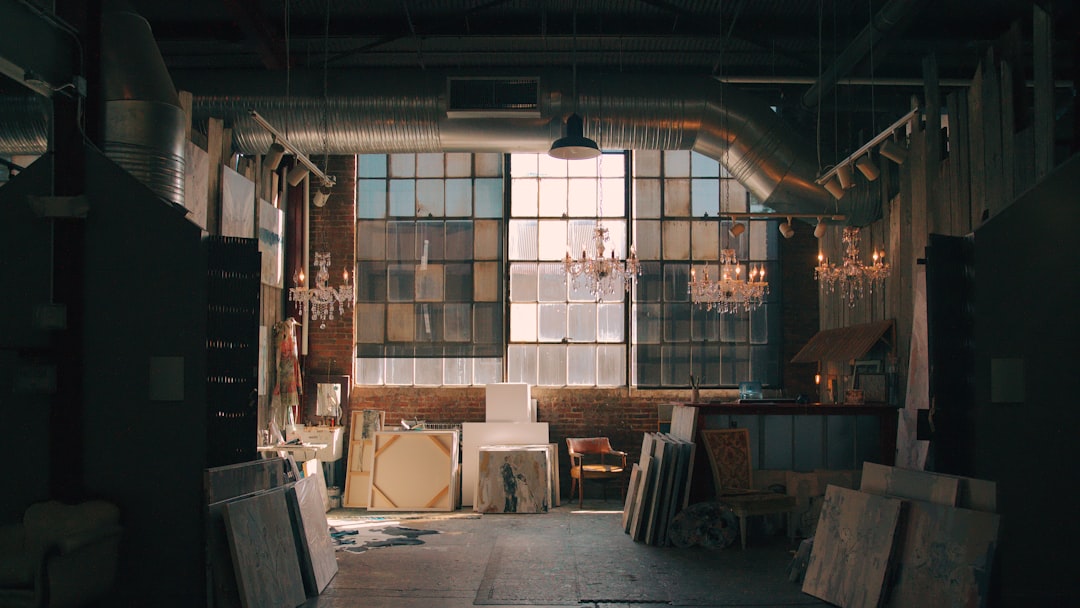
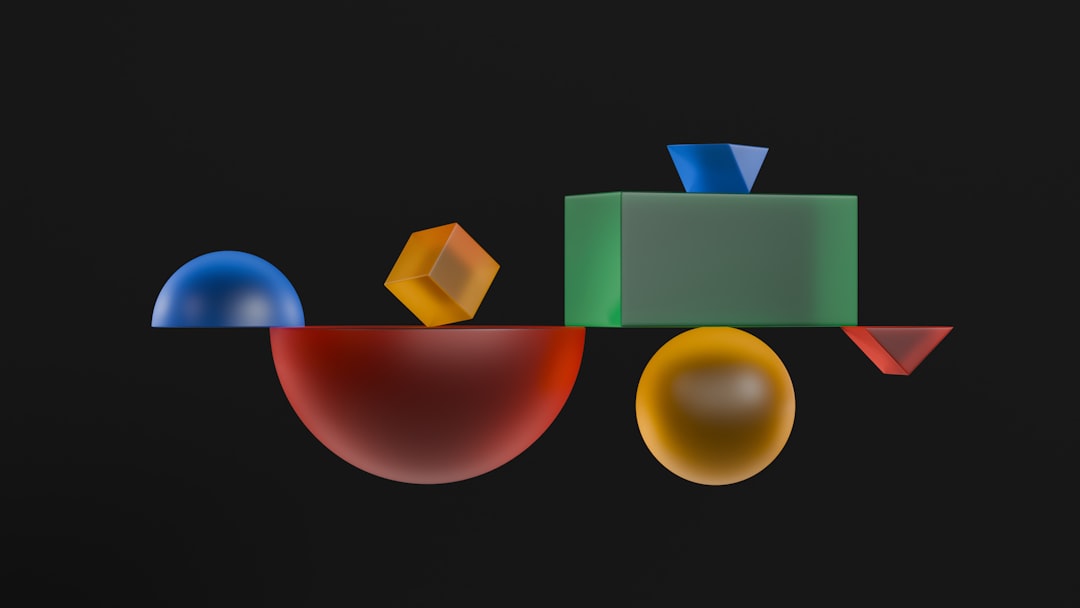
Abstract art can seem intimidating to create, but it's fundamentally about expressing emotions and concepts through non-representational forms. Unlike figurative art, which depicts recognizable subjects from the real world, abstract art uses shape, color, line, and texture to create compositions that exist independently of visual references to the external world.
In this comprehensive guide, I'll share techniques and principles that have helped me develop my abstract artistic practice over the years. Whether you're just beginning to explore abstraction or looking to refine your existing approach, these insights will help you create more intentional and impactful abstract works.
Understanding the Foundations of Abstract Composition
Even without representational elements, abstract art relies on strong compositional principles to create visually engaging work. Here are key considerations for creating compelling abstract compositions:
- Balance - Consider how visual weight is distributed across your canvas. Asymmetrical balance often creates more dynamic compositions than perfect symmetry.
- Rhythm and Movement - Create visual pathways that guide the viewer's eye through your composition using repeating elements, directional marks, or gradient progressions.
- Focal Points - Even abstract works benefit from areas of emphasis that serve as anchors for the viewer's attention.
- Negative Space - The empty areas in your composition are just as important as the filled areas—they provide visual rest and define positive shapes.
- Scale and Proportion - Varying the size relationships between elements creates visual interest and hierarchy.
Exercise: Compositional Studies
Before starting a large abstract work, create a series of small thumbnail sketches (about 2-3 inches square) using just black and white to explore different compositional arrangements. Focus solely on the placement of shapes and lines without worrying about color or detail.
Color Relationships in Abstract Work
Color is perhaps the most emotionally evocative element in abstract art. Understanding how colors interact with each other will significantly enhance your abstract expressions:
- Color Harmony - Explore complementary colors (opposite on the color wheel) for vibrant contrasts, analogous colors (adjacent on the wheel) for harmonious relationships, or triadic schemes for balanced variety.
- Temperature - The perceived warmth or coolness of colors dramatically affects the mood of your work. Warm colors (reds, oranges, yellows) advance toward the viewer, while cool colors (blues, greens, purples) recede.
- Value Contrast - The relationship between light and dark areas creates depth and focus in abstract work. High contrast creates drama and emphasis; low contrast can convey subtlety or calm.
- Saturation - The intensity of colors affects emotional impact. Highly saturated colors create energy and vibrancy, while muted tones convey sophistication or melancholy.
- Limited Palettes - Working with a restricted color selection often results in more cohesive and sophisticated abstract works than using many unrelated colors.
Creating Visual Interest Through Texture and Mark-Making
Texture adds a tactile dimension to abstract art, creating richness and depth that engages viewers on multiple levels:
- Layering - Building up multiple layers of paint or material creates history and complexity in your work. Allow earlier layers to partially show through subsequent applications.
- Mixed Media - Incorporate collage elements, sand, fabric, or other materials to create actual physical texture.
- Tool Experimentation - Move beyond brushes to create marks with palette knives, squeegees, combs, cardboard, sponges, or found objects.
- Mark Variety - Combine different types of marks—bold gestural strokes, fine lines, dots, scratches, drips—to create visual conversation and contrast.
- Optical Texture - Even without physical texture, you can create the impression of tactility through techniques like stippling, cross-hatching, or detailed pattern work.
Technique Spotlight: Layering with Transparency
Try working with thin, translucent layers of acrylic mixed with glazing medium or oil mixed with linseed oil. Apply each layer only after the previous one is completely dry. This creates depth and luminosity as light penetrates and reflects off different layers.
Finding Your Personal Abstract Language
The most compelling abstract art comes from authentic personal expression rather than imitation. Here's how to develop your unique abstract vocabulary:
- Regular Practice - Commit to consistent studio time for exploration without pressure for finished work. Keep visual journals to document ideas and experiments.
- Series Work - Develop ideas across multiple pieces, allowing each new work to respond to the last. This helps refine your visual language.
- Emotional Source Material - Use personal experiences, memories, music, poetry, or natural phenomena as starting points rather than visual references.
- Embrace Constraints - Temporarily limit your palette, scale, tools, or time to force creative problem-solving and discovery.
- Intuitive Process - Learn to balance planning with spontaneity. Sometimes the most interesting outcomes emerge when you respond intuitively to what's happening on the canvas.
Remember that developing your abstract language is an ongoing journey. Even established abstract artists continually refine and evolve their approach through experimentation and reflection.
Technical Considerations for Abstract Work
Beyond the conceptual aspects, several technical considerations will help your abstract works succeed:
- Surface Preparation - Quality grounds and proper preparation ensure the longevity of your work and can significantly affect how materials behave.
- Material Understanding - Different paints and mediums have distinct properties. Acrylics offer versatility and quick drying; oils provide blending capacity and richness; watercolors create luminous transparency.
- Scale Awareness - Abstract work often benefits from larger scale, which allows for more gestural expression and impact. However, intimate small-scale abstractions can create powerful focused experiences.
- Edge Treatment - Pay attention to where shapes meet. Hard edges create clarity and definition; soft edges create atmosphere and transition.
- Unifying Elements - Ensure cohesion through consistent elements that appear throughout the composition—a recurring color, shape, or mark type.
Conclusion: The Journey of Abstract Expression
Abstract art offers unique freedom to explore visual language without the constraints of realistic representation. This freedom can be both liberating and challenging. Remember that meaningful abstract work comes not from random application of materials, but from thoughtful consideration of formal elements combined with authentic emotional expression.
As you develop your abstract practice, maintain a balance between technical skill-building and intuitive exploration. The most engaging abstract works communicate something genuine while demonstrating a sophisticated understanding of visual principles.
I encourage you to approach abstract art with both serious intent and playful experimentation. Allow yourself the freedom to make "unsuccessful" pieces—they're often the most valuable learning experiences on your artistic journey.
Ready to Explore Abstract Techniques?
I offer online workshops focused on abstract art development for artists at all levels. Visit my contact page to inquire about upcoming sessions.